
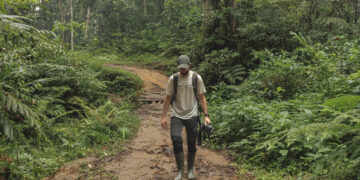

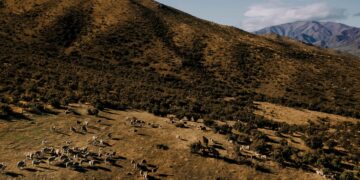



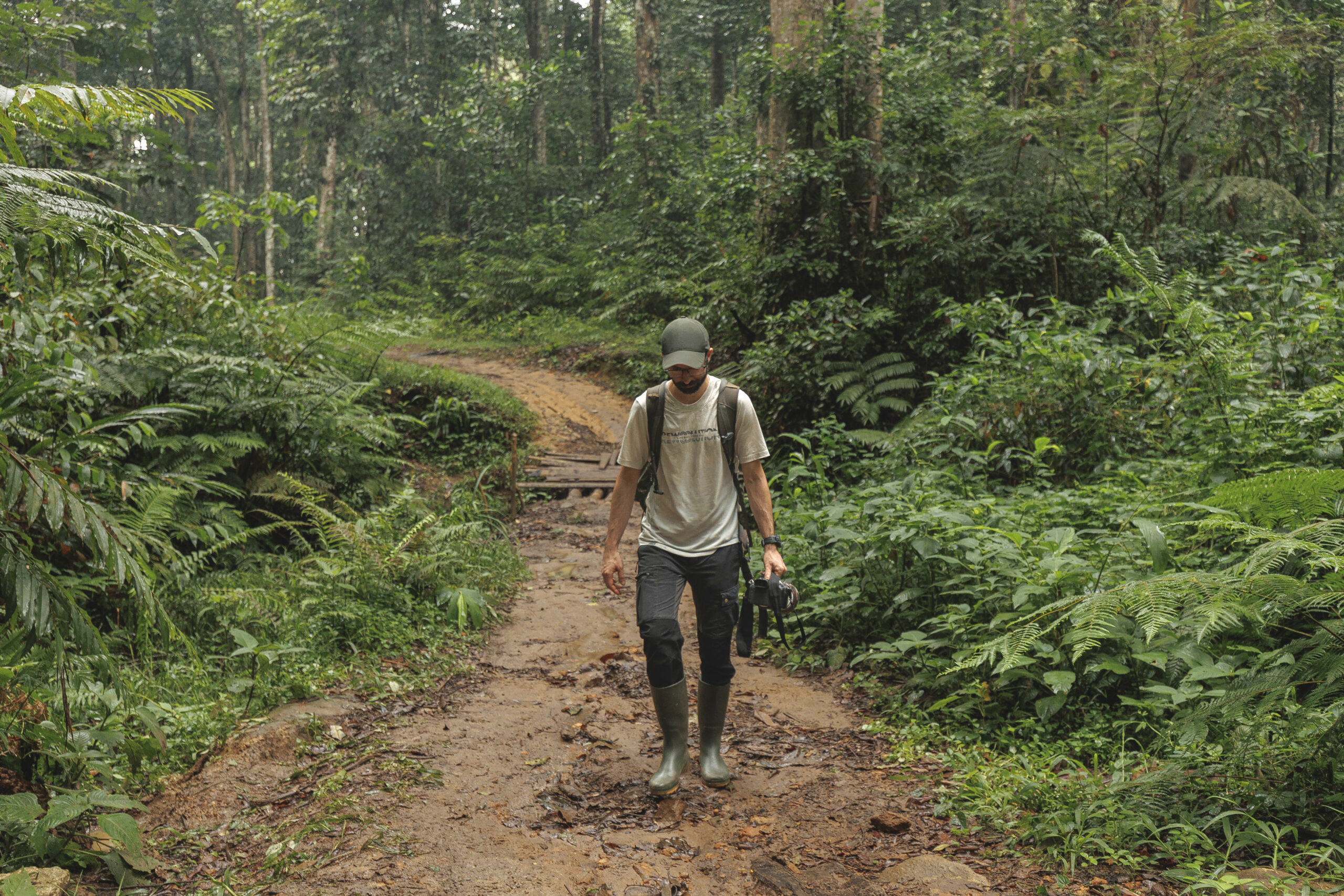

From the ancient forests of the Nguru Mountains to the wild savanna of Mkomazi National Park.
Tanzania is home to some of East Africa’s most extraordinary and fragile ecosystems. This expedition took us from the ancient mountain forests of the Eastern Arc to the arid plains of Mkomazi National Park, traversing territories where biodiversity, scientific research, and environmental conservation coexist in an extremely delicate balance.
Davide and Emma's diary
DAY 1 – Arrival in Dar es Salaam: my first encounter with East Africa
The arrival in Dar es Salaam marks a sudden transition from the European cold to the intense humidity of tropical Africa. The chaotic traffic, the calls of the muezzins, and the scent of the Indian Ocean immediately transform the atmosphere of the journey.
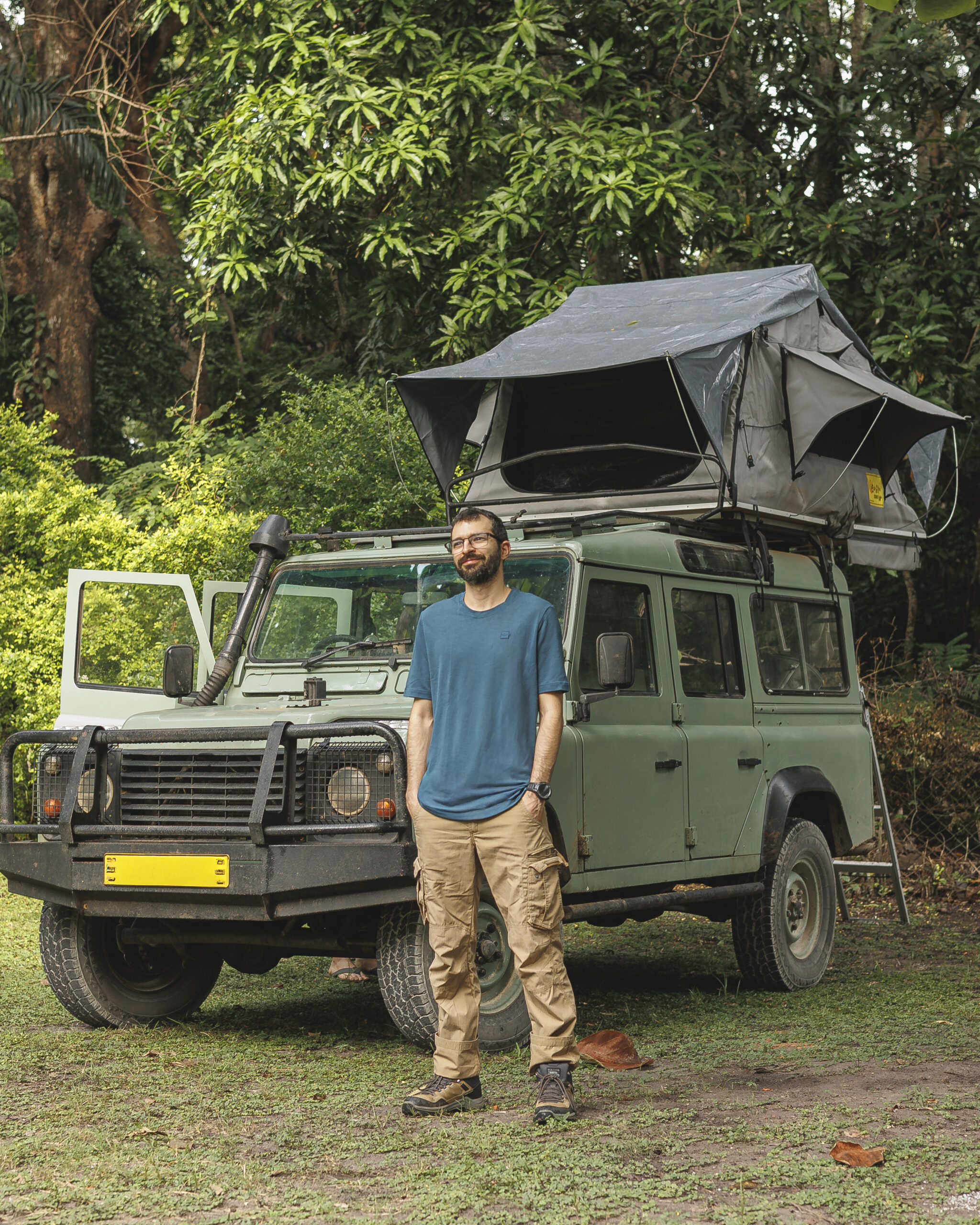
The city is merely a starting point: the true goal of the expedition is to reach the remote mountains of the Eastern Arc, one of the most biologically significant areas on the African continent. In the evening, equipment is prepared and logistical arrangements are planned together with the local research team.
DAY 2 – Toward the Nguru Mountains: Entering the Rainforest
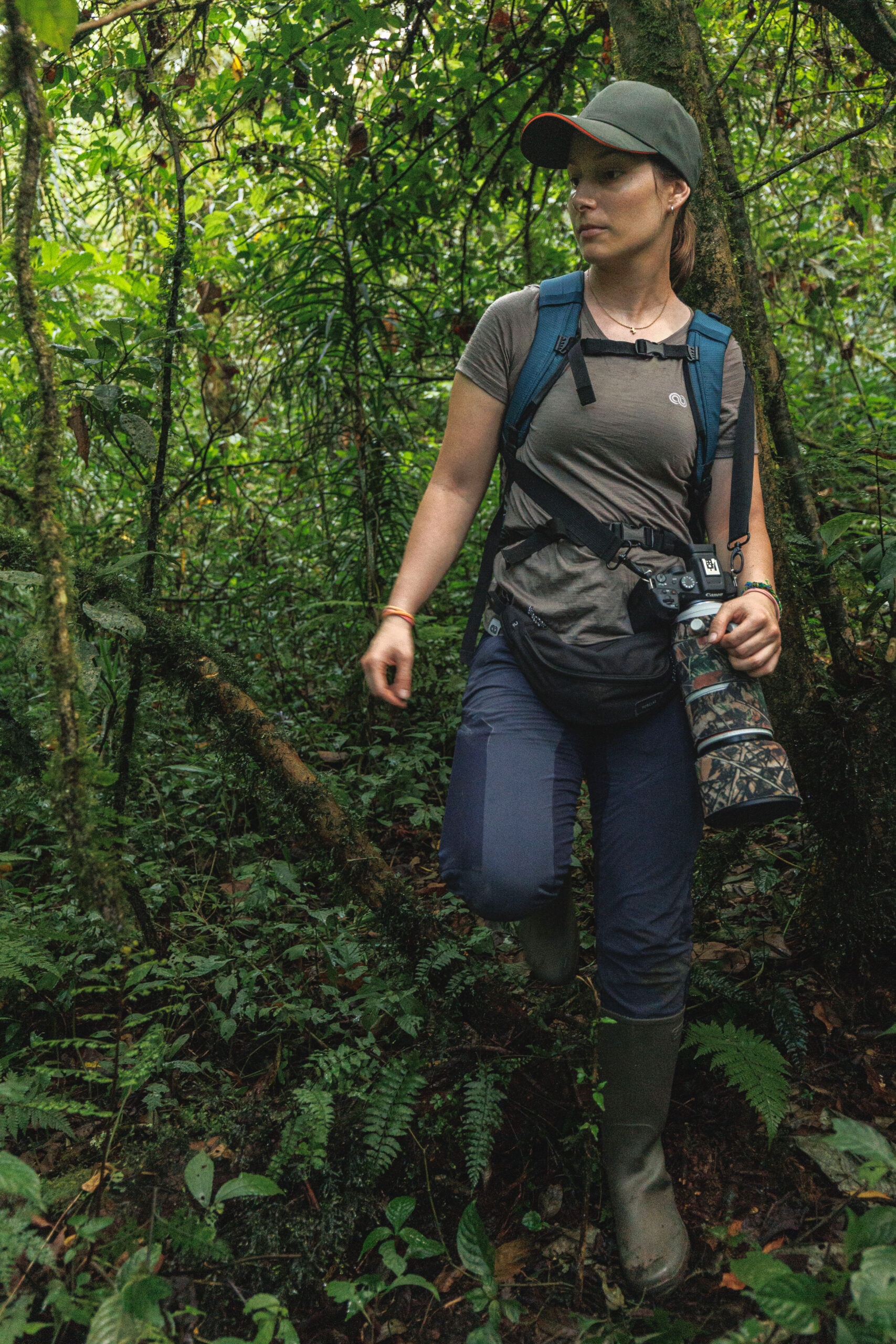
Once you leave the coast, the landscape changes rapidly. The urban plains give way to rural villages, plantations, and increasingly dense forests until you reach the foothills of the Nguru Mountains.
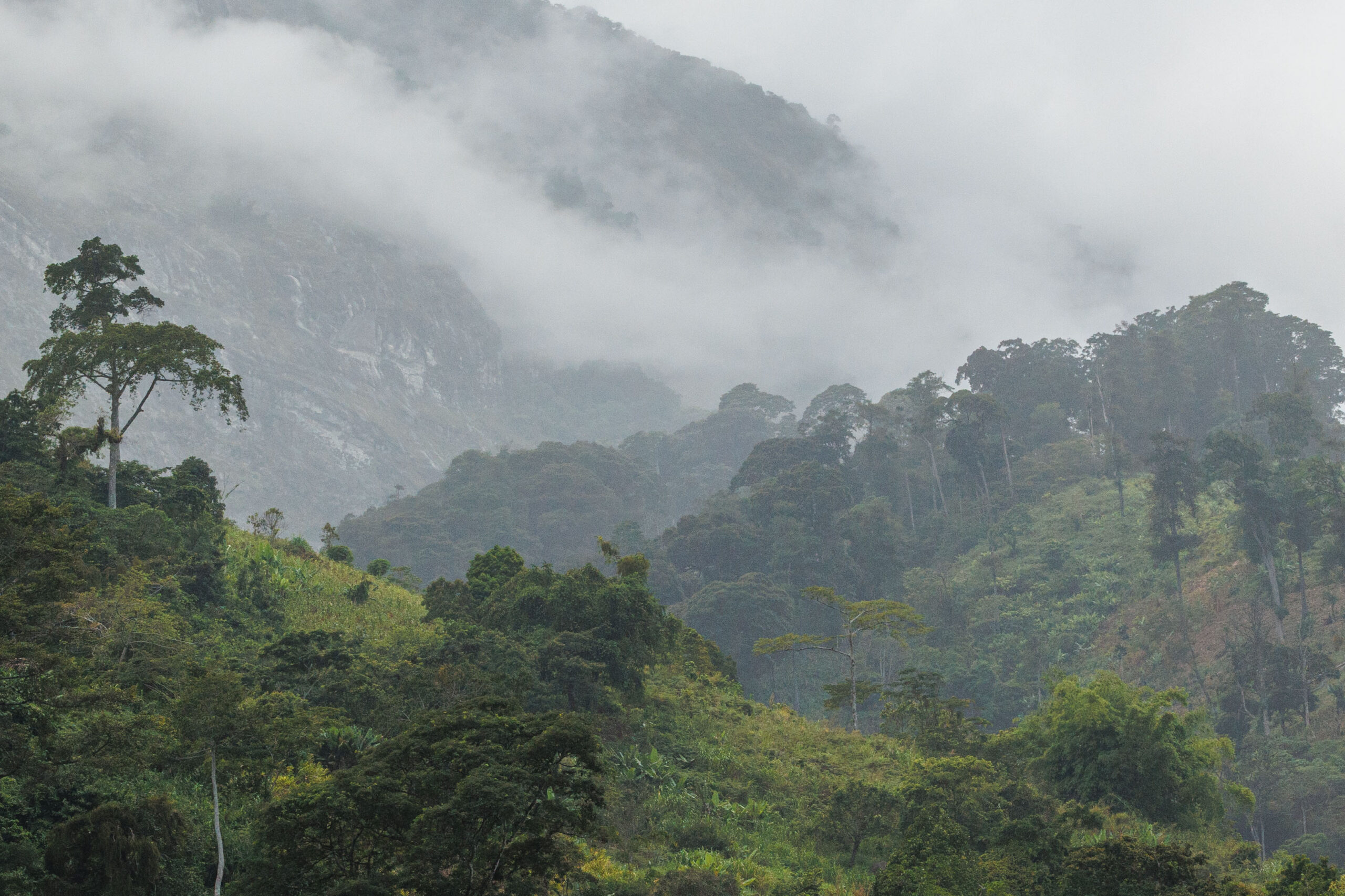
These isolated mountains are home to endemic species that have evolved over millions of years thanks to their geographic isolation and the constant humidity of the mountain forests. As we climb higher, the temperature drops and fog gradually envelops the vegetation.
In the evening, the first nighttime research activities begin, which are essential for observing amphibians and reptiles that are difficult to spot during the day
DAY 3 – In the heart of the mountain forest
The exploration continues along the trails of the rainforest. Every element of the understory—fallen logs, damp bark, and small pools of water—becomes a microhabitat teeming with life.
Alongside this biodiversity, however, signs of human pressure are also emerging: deforestation and land conversion for agriculture are slowly fragmenting the continuity of the rainforest.
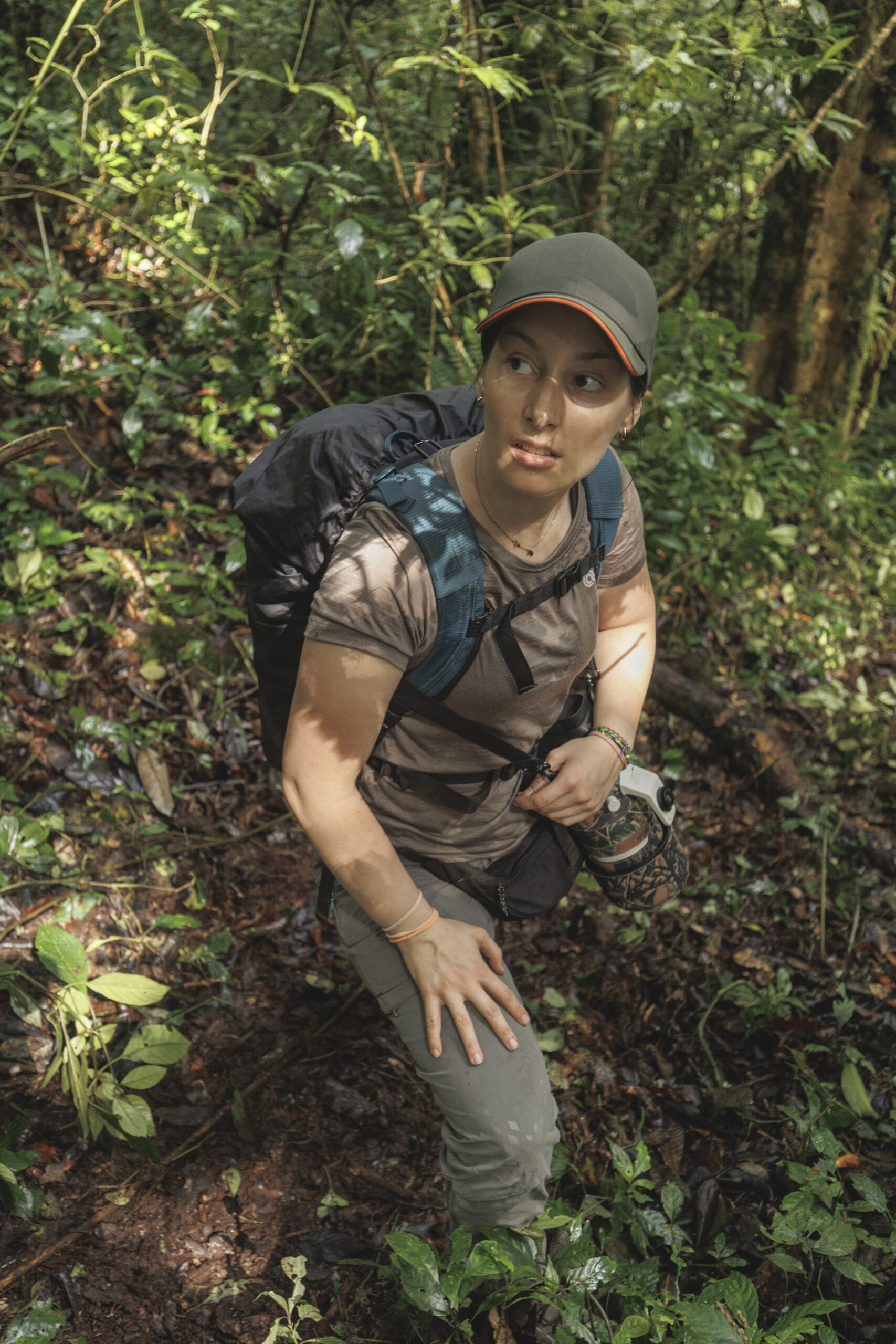
As darkness falls, the forest takes on a different character. Lit only by headlamps, we move through the sounds of insects, the humidity, and the dense vegetation in search of chameleons, tree frogs, and small geckos hidden among the leaves.
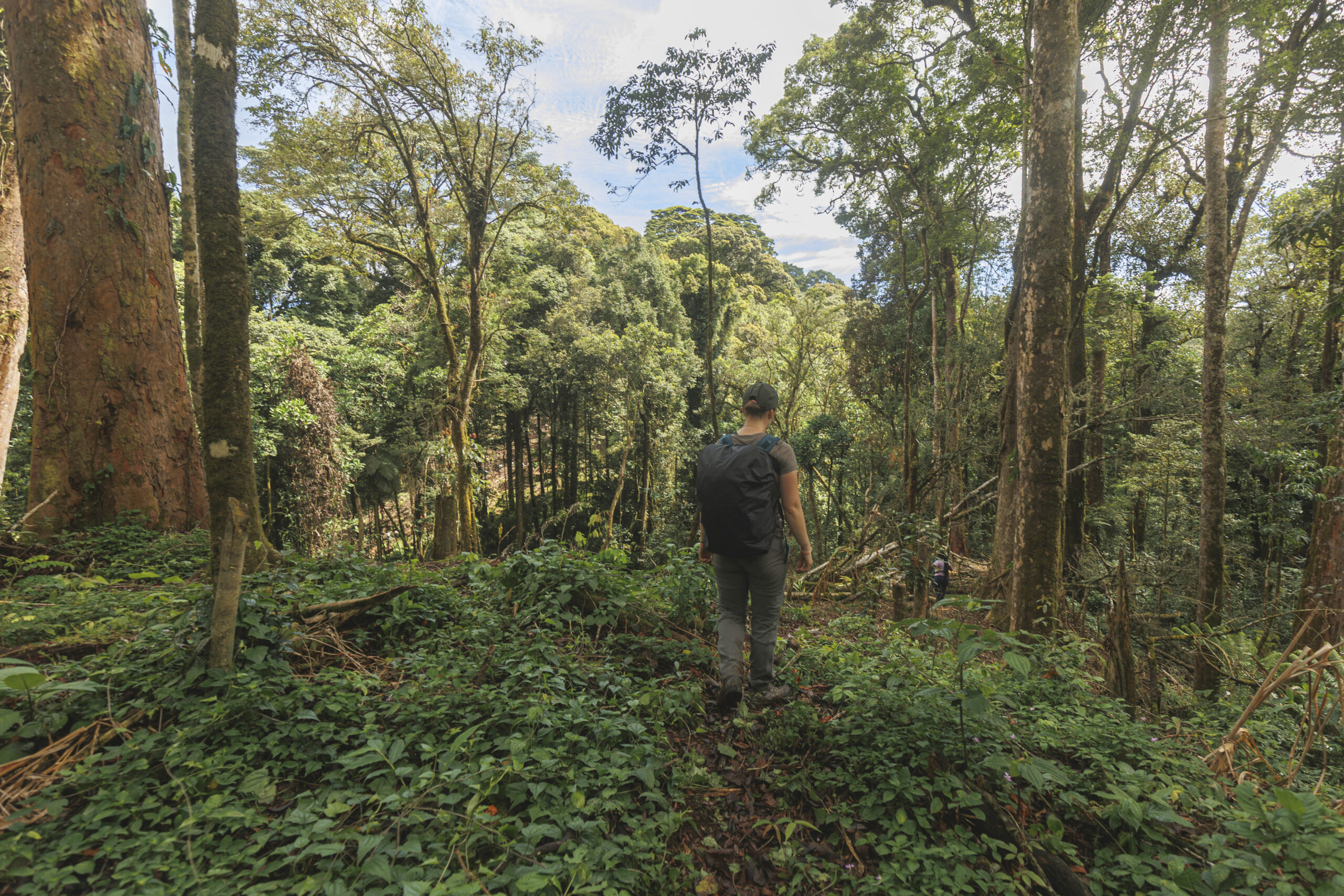
DAY 4 – Conservation and Local Communities
The fourth day is dedicated to the forest’s outlying areas, where the line between the natural environment and human presence becomes extremely blurred.
As we pass through small mountain villages, a fundamental truth becomes clear: conservation cannot exist without the direct involvement of the local communities that inhabit these territories and depend on forest resources.
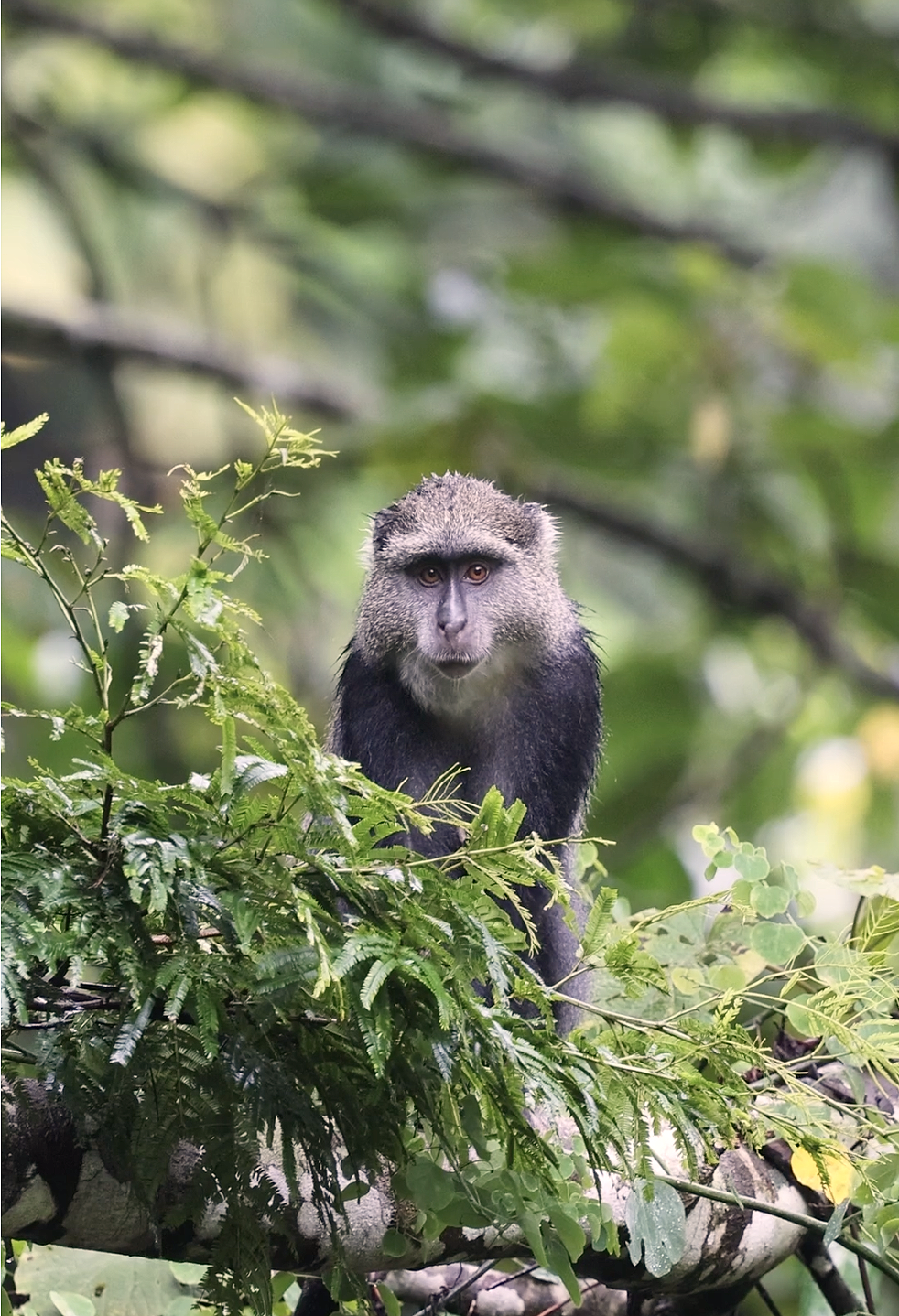
Among the canopy trees, tropical birds and small primates can be spotted, while the evening mist makes the final nighttime exploration even more evocative and surreal
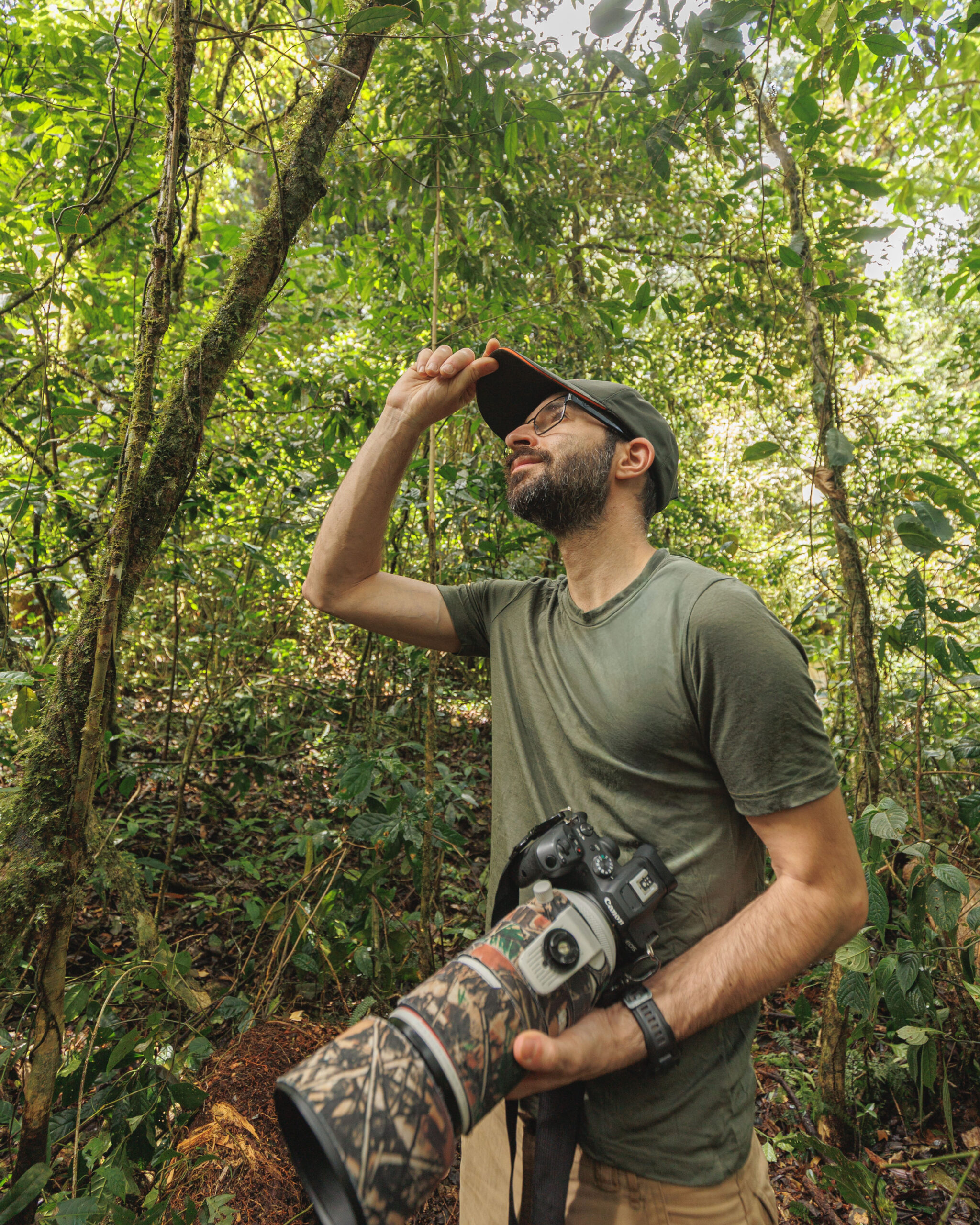
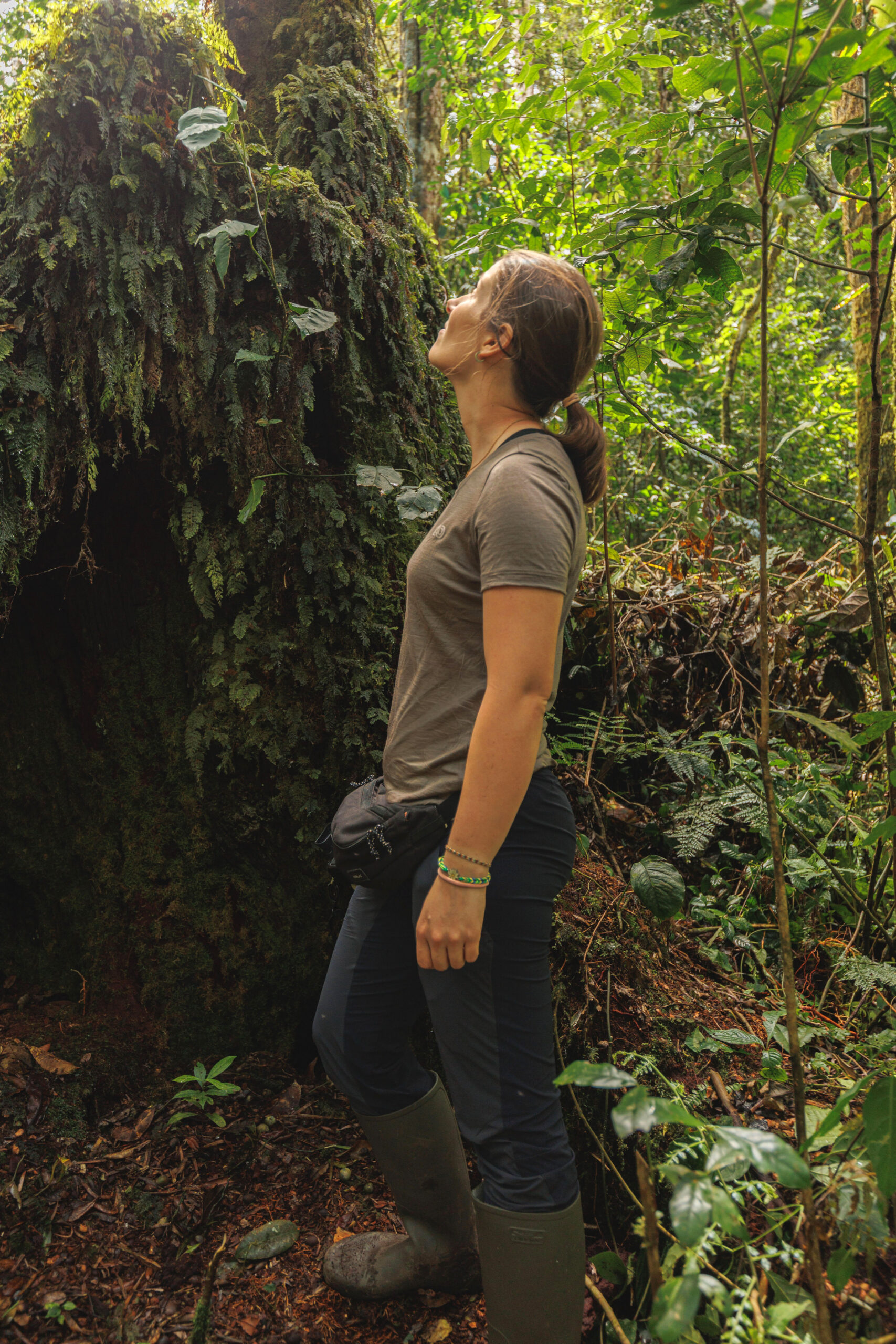
DAY 5 – From the mountains to the savanna: arrival at Mkomazi National Park
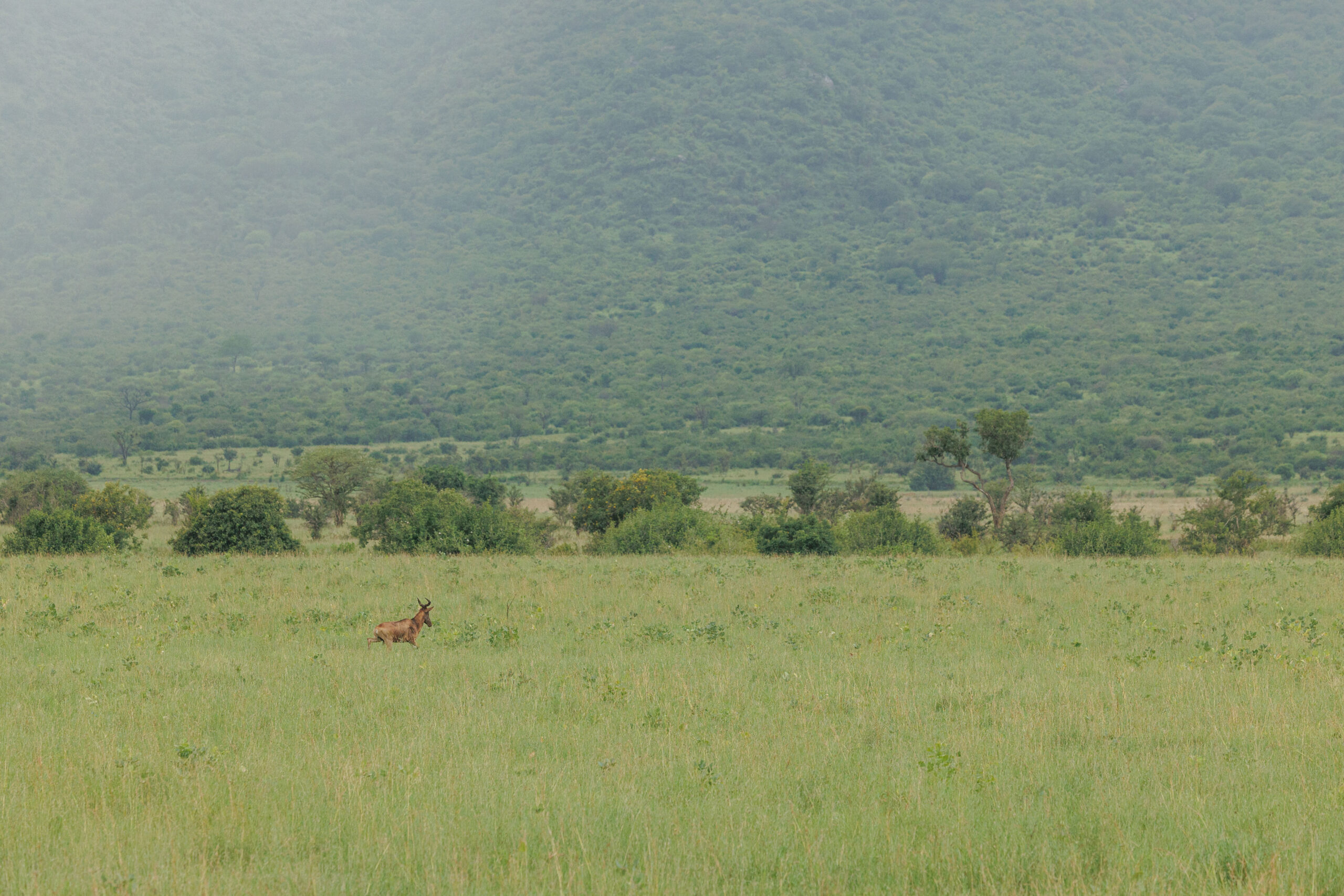
As you leave the Nguru Mountains, the landscape changes dramatically. The tropical forest gradually gives way to the semi-arid savanna of northeastern Tanzania.
Arrival at Mkomazi National Park introduces a completely different environment: acacia trees, dust, intense heat, and wide-open spaces take the place of the mountain forest’s humidity. In the background, the constant presence of Kilimanjaro dominates the horizon.
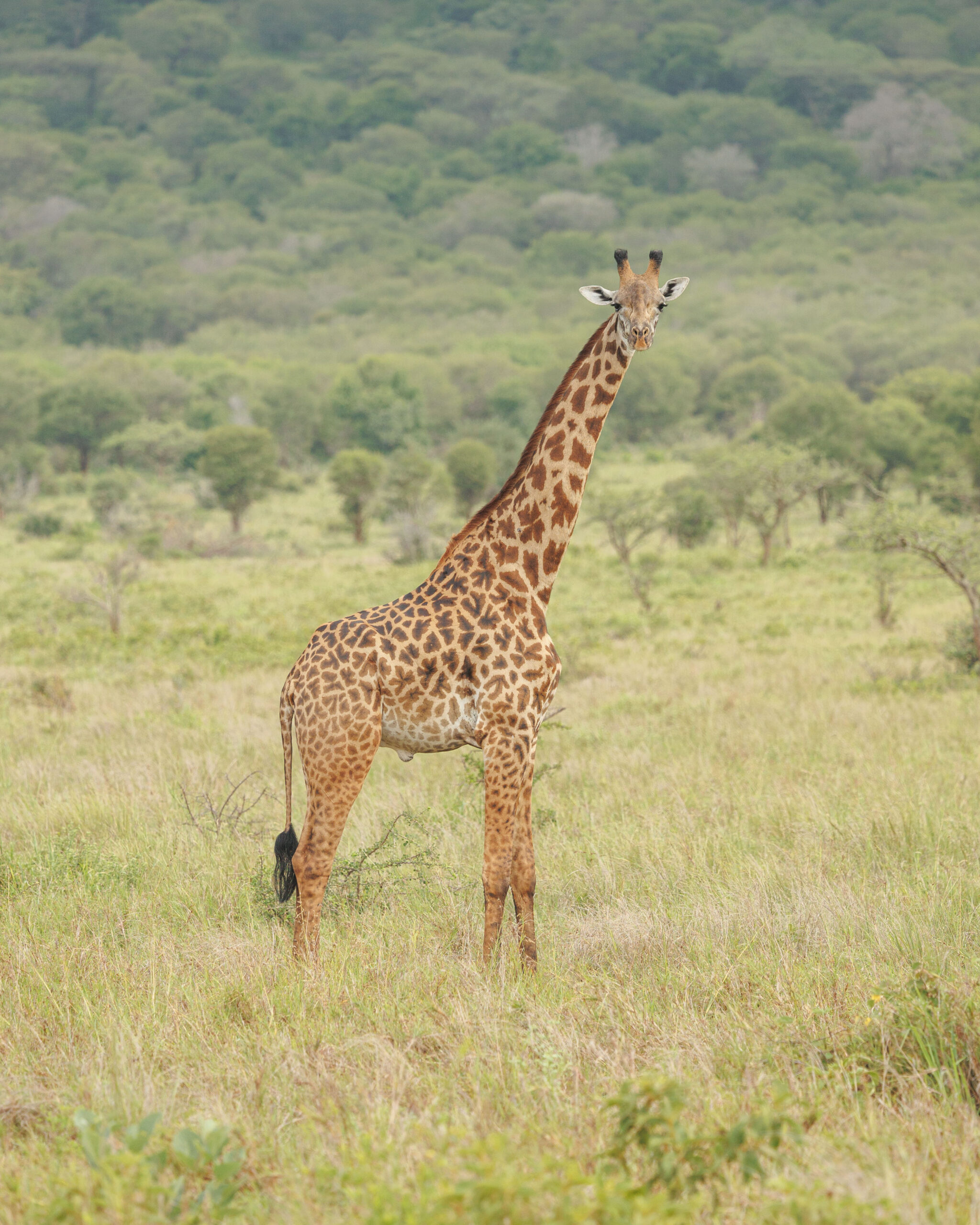
During the first entry into the park, giraffes, antelopes, and numerous birds of prey flying over the savanna are observed.

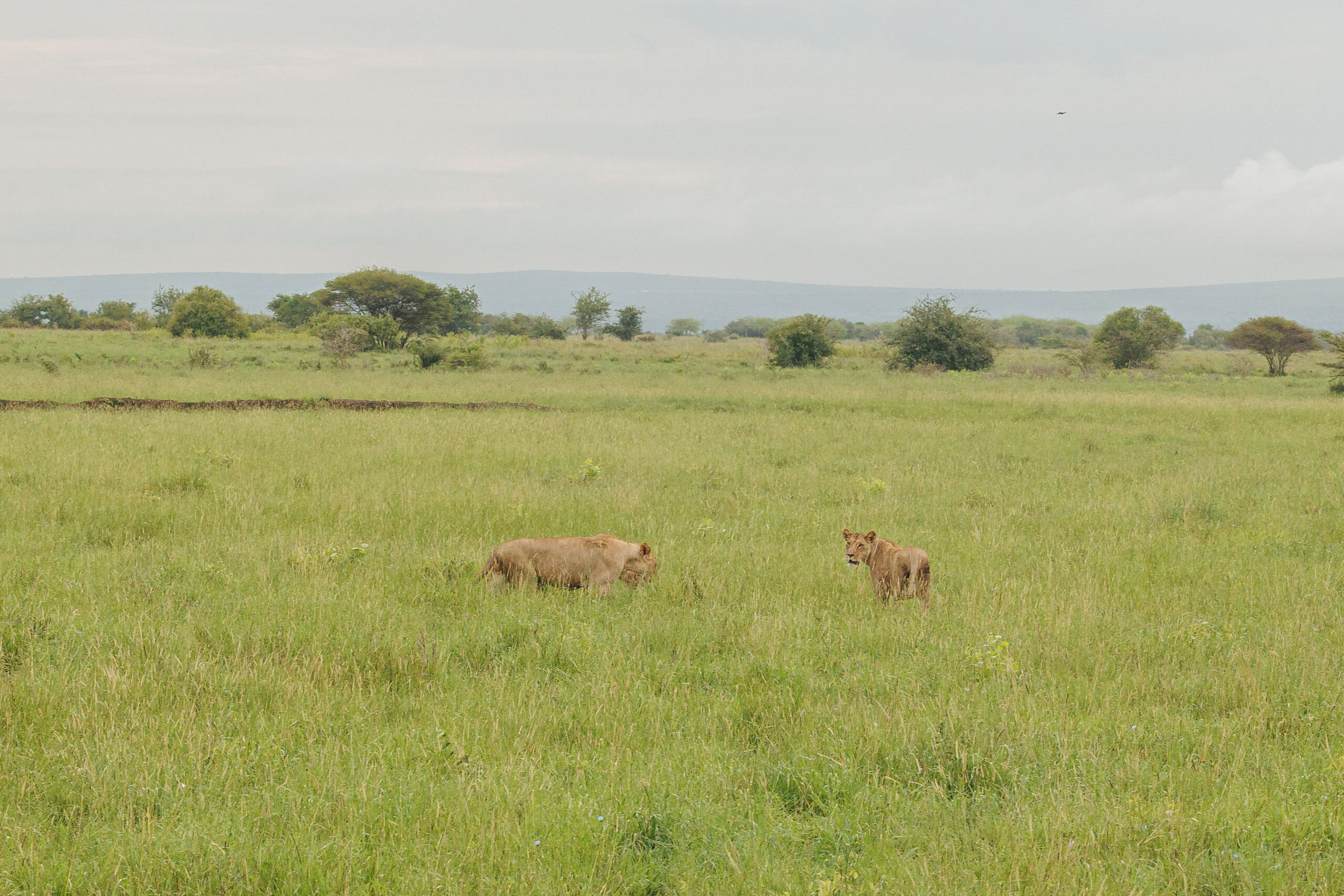
DAY 6 – The wildlife of Mkomazi and arid ecosystems
At dawn, the savanna lies still and silent. Red trails wind through landscapes shaped by long periods of drought interspersed with sudden rains.
During the day, you can spot elephants, zebras, ostriches, and birds of prey on the hunt—symbols of East Africa’s great wildlife.
Here, too, the delicate balance between conservation and human pressure comes into play: grazing, habitat fragmentation, and climate change continue to profoundly alter the surrounding landscape.
Return to the coast and conclusions of the expedition
The final day marks the return to Dar es Salaam and provides time to reflect on the stark contrasts encountered during the journey: from the ancient forests of the Eastern Arc to the arid plains of northern Tanzania.
The expedition has shown just how closely African biodiversity is linked to the fragility of the habitats that support it. The Nguru Mountains and Mkomazi National Park are not merely remote destinations, but true symbols of the complex relationship between environmental conservation, local communities, and climate change.